AGP Executive Report
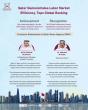
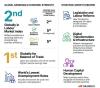
Last update: 7 hours agoEducation & Skills: Qatar’s Ministry of Education and Higher Education launched the national “Zad Al-Mubta’ath” programme to prepare scholarship students for travel, covering cultural guidance, safety, mental health, and personal data protection ahead of an August 2026 start. School Infrastructure: Ashghal says about 80% of its QR4.5bn PPP project to build 14 new schools is complete, with the authority highlighting innovations like 3D printing and modular construction as it pushes remaining works to schedule. Digital Infrastructure Finance: MEEZA secured an additional QR1.6bn Commodity Murabaha facility from Dukhan Bank to expand data centre capacity in Qatar, including further development of M-VAULT 6, 7 and 8. Public-Private Delivery: Ashghal reiterated its push to deliver more projects via PPP, stressing quality, efficiency, and modern engineering solutions. Security Training: Lekhwiya joined the US Raven’s Challenge explosives disposal drill as an observer at Fort Devens, aiming to exchange best practices and strengthen cooperation. STEM & Community Learning: Qatar National Library’s Summer Camp runs from August 2 through the month, with STEM tracks, entrepreneurship sessions with QDB, and family-friendly programmes. Healthcare Innovation: Sidra Medicine administered Qatar’s first Itvisma gene therapy for spinal muscular atrophy, marking a major step in gene-based treatment locally. Labour Market: Qatar ranked second globally in the 2026 IMD labour market index, with officials pointing to labour reforms, digital transformation, and improved business conditions. Entrepreneurship Support: Qatar Development Bank expanded private-sector support programmes, widening logistics import grants, raw materials inventory financing, and adding ICT to working-capital guarantees.
Note: AI summary from news headlines; neutral sources weighted more to help reduce bias in the result. Feedback is welcome. Please let us know if you have any comments or suggestions about the AGP Executive Report.

 Perspectify News